The Story of Our Luffa
The original kitchen sponge, reintroduced
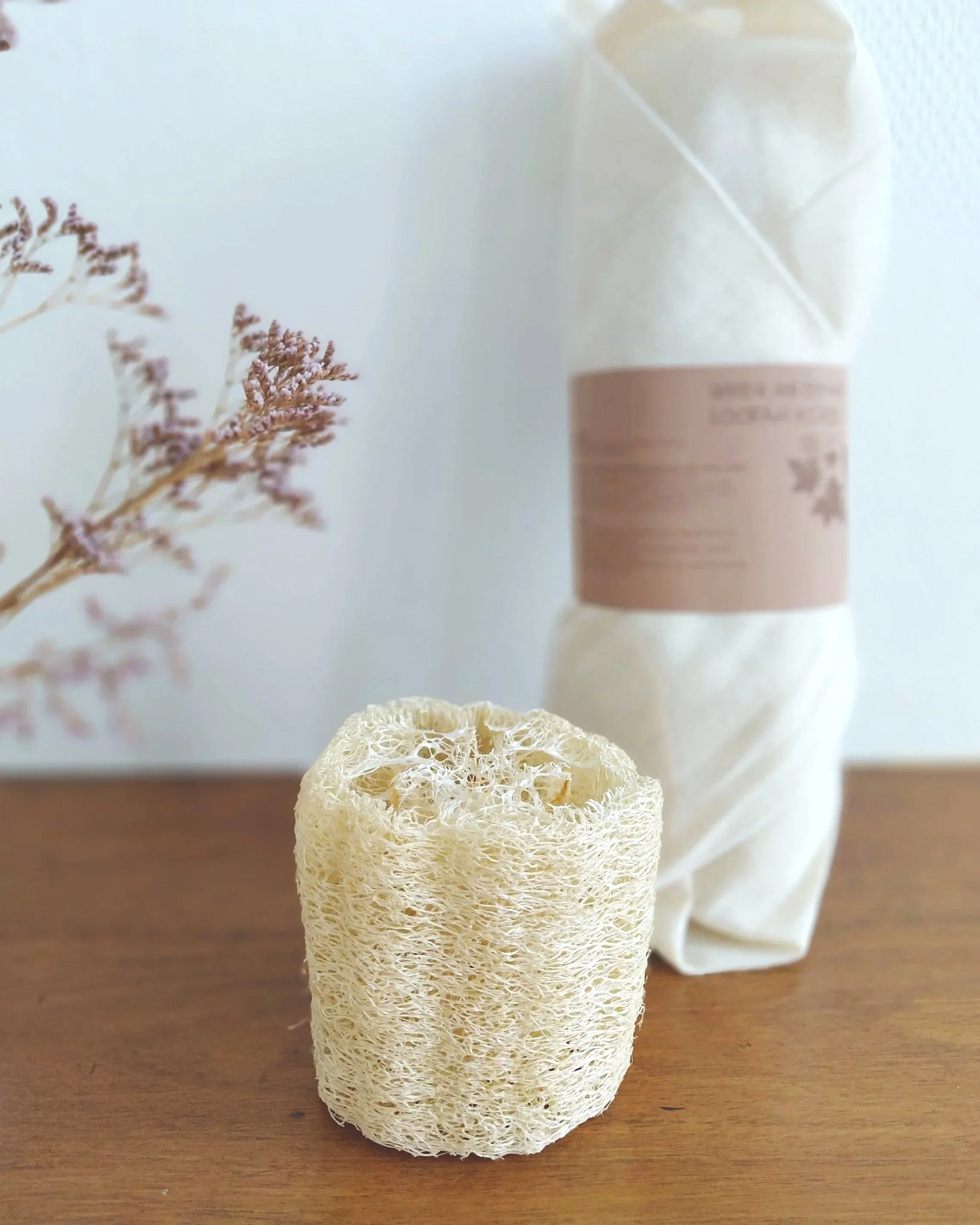
Luffa, or also spelled as loofah, is the natural, dried fibre of a gourd. In fact, the fibre, the fruit and the plant are all called luffa.
When the fruit matures and hangs on the vine for several months, the fibre forms. Once fully dried, the luffa is harvested. The outer skin is removed and the seeds and flesh get shaken out. The remaining fibre is then cleansed many times and cut into useful forms and sizes for the home.
How luffa is grown, cared for and processed for use has a direct impact on the form, effectiveness and longevity of the luffa sponge. When the fibre has optimal strength, health and colour, it requires minimal chemical intervention during processing. This is why where and how luffa is grown matters as much as the material itself.
A living tradition
In Korean, the word for a kitchen sponge is susemi. What many people do not know is that susemi is, in fact, the plant that the kitchen sponge originally came from. For generations, luffa was a commonly grown vegetable at home in Korea. Each year, the plant was harvested and used as a kitchen sponge. When one sponge wore out, the next harvest followed.
Nowadays, many people have never seen a luffa plant or a luffa sponge. Luffa did not disappear from the kitchen because it stopped working. It disappeared because synthetic sponges were introduced and lifestyle changed. People moved from farms to cities. Households stopped growing their own vegetables. Convenience replaced cultivation.
The case for luffa
Unlike synthetic sponges, a luffa sponge does not shed microplastic fibres. It does not stain easily and dries quickly between uses, making it hygienic and odour-free. And it lasts for many months.
Moreover, a luffa sponge is effective both as a sponge and a gentle scourer, without scratching the surfaces. It can be used to scrub hands after cooking. It is aesthetically pleasant, with a natural tactile presence in the kitchen.
Why Luffa Haru
Most luffa sponges available on the market today are grown outside Europe and bleached or chemically treated, in order to compensate for lower quality fibre. Luffa Haru works only directly with farmers who produce exceptional quality luffa that does not require chemical processing.
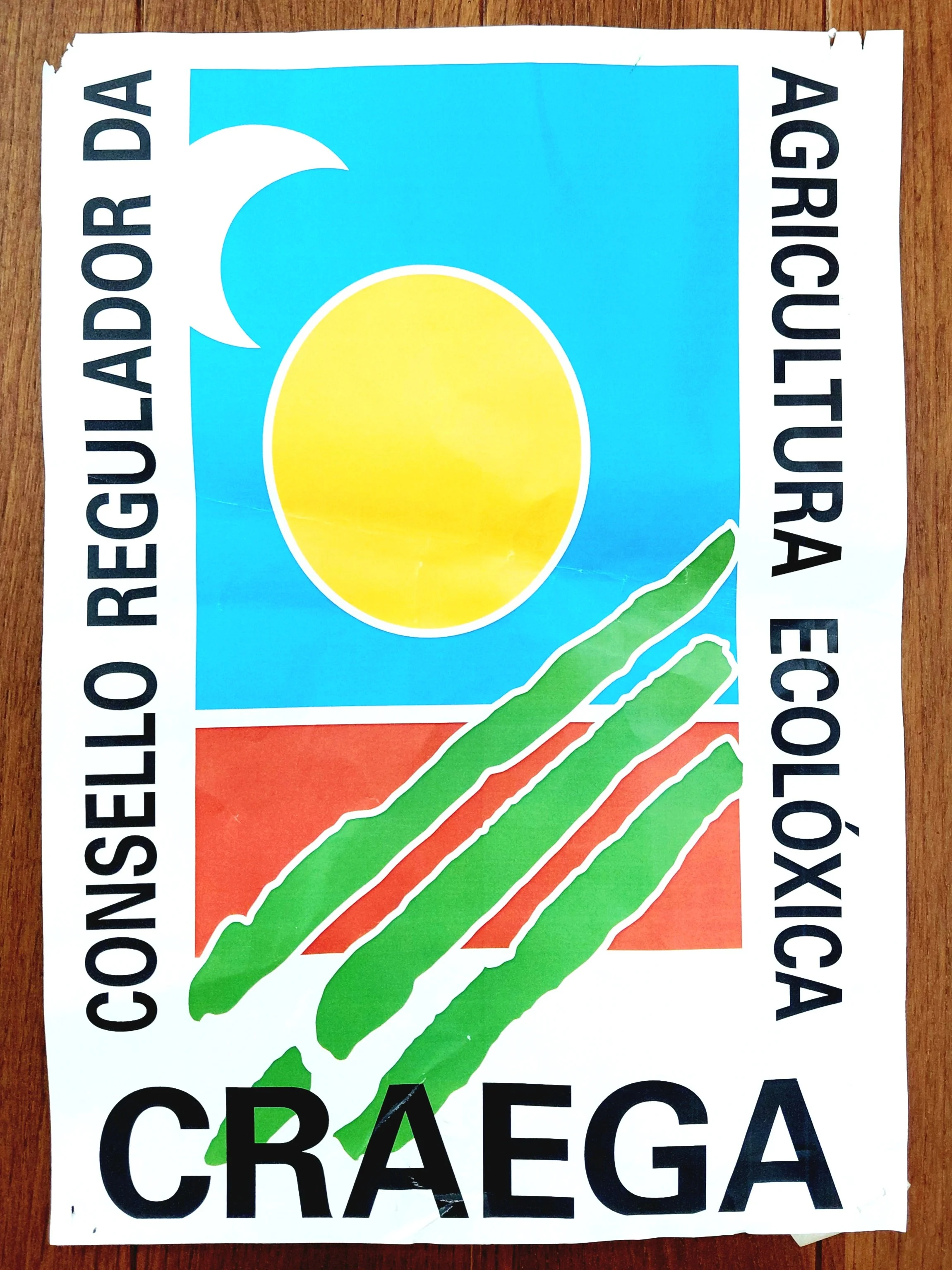
Our core luffa sponge is sourced from a farm in Galicia, Spain, where luffa is grown using organic agricultural practices, without synthetic fertilisers or pesticides, and is processed without chemical bleaching. Natural thermal water is used at the final stage of processing for disinfection. Over the last 15 years, our farmer family has dedicated their lives to luffa farming. Through continuous experimentation with seeds, growing conditions and methods, they have developed luffa that is strong, consistent and suitable for sufficient scale without compromising quality.
Alongside our Spanish luffa family, Luffa Haru works with a South Korean farmer to bring limited editions of unbleached Korean luffa grown without pesticides. The luffa is grown on a small farm located within the civilian control zone by the Demilitarised Zone (DMZ) between North and South Korea. Since the Korean Armistice Agreement in 1953, human activity in this area has been severely limited, resulting in a rare, biodiversity-rich environment.
Today, very few luffa farms remain in South Korea, as growing and hand processing luffa is labour-intensive and difficult to sustain. These limited editions reflect a living tradition that once belonged to everyday life and our farmer’s commitment to preserving luffa heritage in Korea.
Our vision
We are working with our farmers to bring their exceptional quality luffas to homes that care. Our vision is that over time, people experience how good luffa is and luffa becomes the norm as the daily kitchen sponge in Dutch homes and beyond.
Our collection of gift sets is defined by natural beauty, effectiveness and longevity. Discover how our sochang, the Korean traditional cloth complements our luffa in the kitchen.
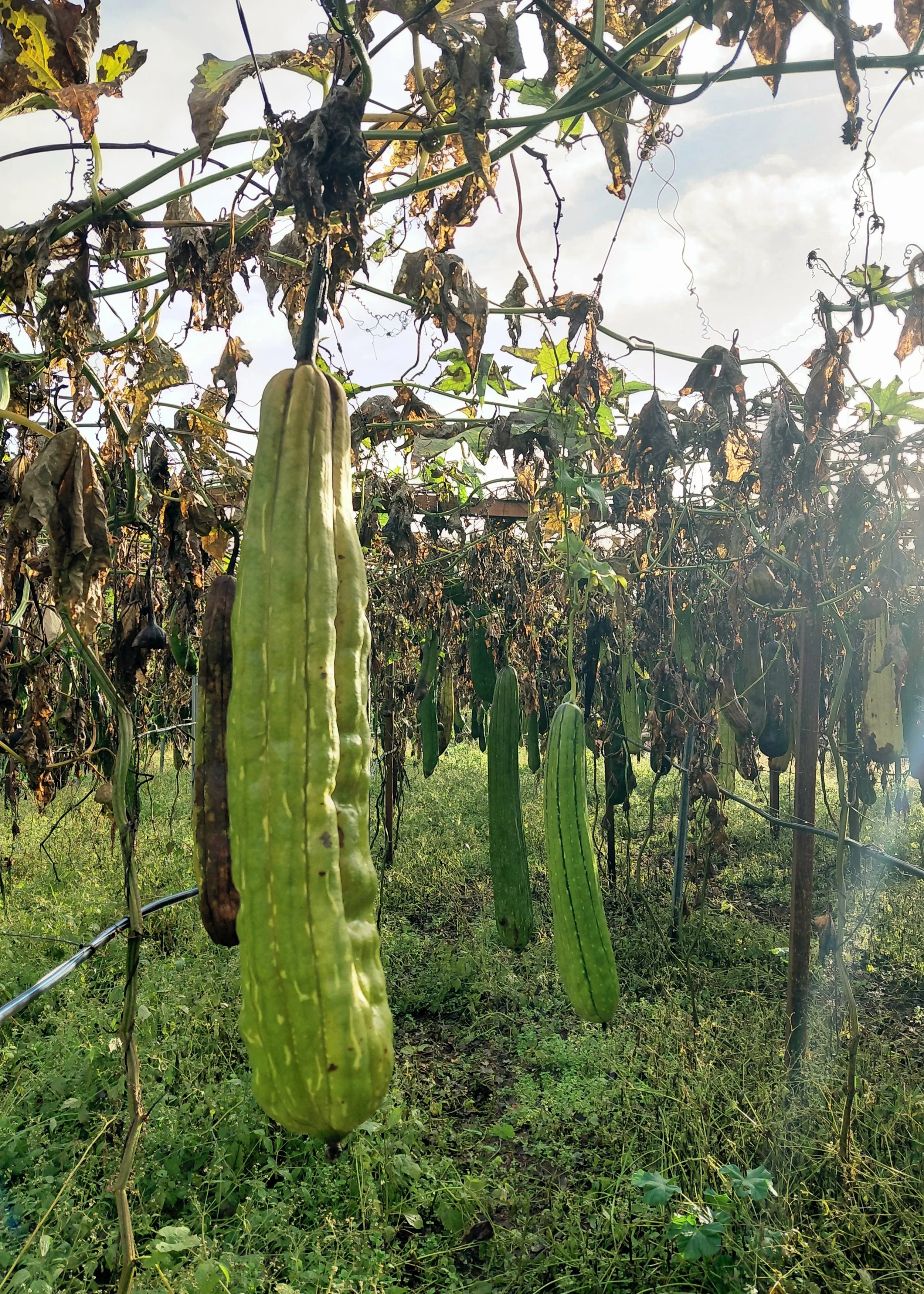
Picture 1: Luffa at late harvest at our supplier farm in Galicia, Spain. November 2025
Picture 2: CRAEGA organic certification poster displayed at our supplier farm in Galicia, Spain. November 2025
The farm operates under certified organic agricultural practices.
Picture 3: A luffa sponge from our South Korean supplier farm by the DMZ